


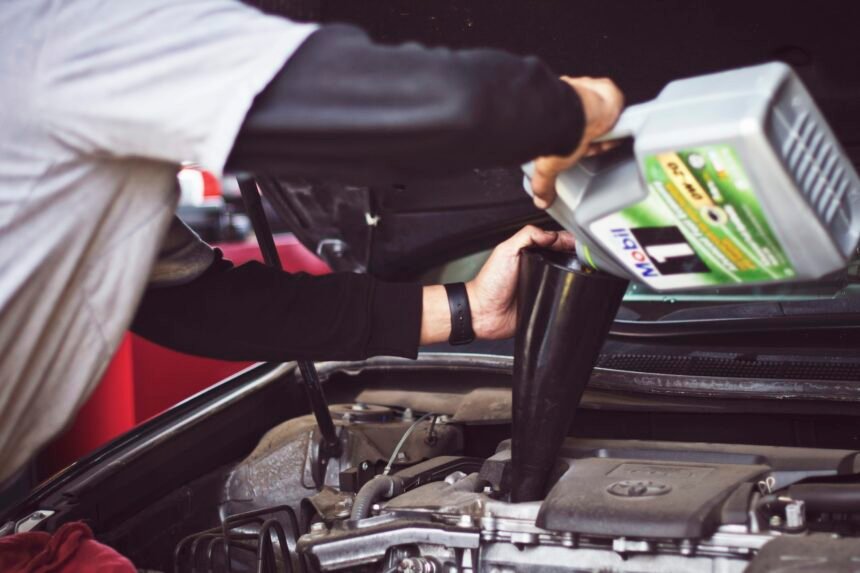
How long does an oil change take is a question every driver asks at some point. Whether you’re squeezing in a service before work or tackling it yourself on a Saturday, you want clear, honest answers. The truth is, most professional oil changes take between 10 and 45 minutes of actual service time. Quick-lube shops can finish in as little as 10 to 15 minutes, full-service visits average 20 to 45 minutes, and a DIY oil change usually runs 30 to 60 minutes.
- Quick Oil Change vs. Full-Service Oil Change: How Long Does Each Take?
- How Long Does a DIY Oil Change Take?
- Step-by-Step Breakdown: What Happens During an Oil Change?
- Factors That Affect How Long an Oil Change Takes
- Oil Change Intervals – How Often Should You Change Your Oil?
- Is It Normal for an Oil Change to Take Longer Than Expected?
- Pros and Cons: Shop Oil Change vs. DIY
- Tips to Make Your Oil Change Faster (and Better)
- Environmental & Cost Impact of Oil Change Timing
- Frequently Asked Questions
- Conclusion
But those times aren’t set in stone. Factors like your vehicle type, the shop’s busyness, and whether you’re using synthetic oil or conventional oil can speed things up or slow them down. In this complete 2026 guide, we’ve pulled real-world data from top competitors, industry standards, and driver experiences to give you everything you need. You’ll get exact breakdowns, step-by-step details, money-saving tips, and smart ways to keep your engine healthy for thousands of miles.
Quick Oil Change vs. Full-Service Oil Change: How Long Does Each Take?
The biggest time difference comes down to the type of service you choose. Quick oil change spots focus on speed, while full-service options add thorough checks that take a bit longer.
How Long Does a Quick Oil Change Take?
Express shops like Take 5 and Oil Changers are built for convenience. At Take 5, your oil change typically takes just 10 to 15 minutes. Oil Changers often finishes in 15 minutes or less — sometimes even faster. These quick lube services let you stay in the car while trained techs drain the old oil, replace the oil filter, and refill with fresh engine oil.
No appointment is usually needed, and many locations are open seven days a week. It’s perfect when you’re short on time but still want fresh lubricant protecting your engine.
How Long Does a Full-Service Oil Change Take?
Full-service visits include extra steps like a multi-point inspection, tire pressure checks, fluid top-offs, and sometimes a tire rotation. These usually take 20 to 45 minutes of service time. Dealerships often quote 20 to 40 minutes for the work itself, but your total time at the shop can stretch to an hour or more with waiting and paperwork.
Important: Oil Changers stands out here — even their full-service packages (with brake checks, belt inspections, battery tests, and more) are often completed in 15 minutes or less thanks to their efficient process and skilled techs.
Here’s a helpful comparison table using real 2026 data:
| Service Type | Typical Time | What’s Included | Best For |
|---|---|---|---|
| Quick Oil Change | 10-15 minutes | Drain, filter, refill, basic fluids | Busy drivers, fast turnaround |
| Full-Service | 20-45 minutes | Everything above + full inspections | Thorough safety checks |
| Oil Changers Full | 15 minutes or less | All add-ons included | Speed + peace of mind |
How Long Does a DIY Oil Change Take?
Doing it yourself gives you complete control and saves money, but it takes longer. Most first-timers need 30 to 60 minutes, while experienced DIYers can finish in under 30 minutes.
Why the extra time? You handle every step: jacking the car, draining the oil, swapping the filter, and cleaning up. Grappone Automotive points out that newer vehicles with easy-access filters make it quicker, but trucks or SUVs with tight spaces can add 10–15 minutes.
Pro tip from real drivers: Keep a dedicated tool kit ready and you’ll cut your time in half on the next job.
Step-by-Step Breakdown: What Happens During an Oil Change?
Knowing the process helps you understand where the minutes go. Here’s the exact sequence used by top shops like Take 5:
- Drain the dirty oil — Removes old, contaminated engine oil full of grease and debris so your engine runs at peak efficiency (takes 10–15 minutes).
- Check and replace filters — Swaps the oil filter and inspects the air filter for clean airflow and better longevity.
- Add new, clean oil — Refills with fresh synthetic oils or conventional oil to reduce friction and heat.
- Top off fluids — Checks and fills coolant, transmission fluid, brake fluid, and windshield washer.
- Review engine and under-hood components — Spots small issues early to prevent costly repairs.
- Optional wiper blade replacement — For safety in bad weather.
This step-by-step approach ensures nothing gets missed and your vehicle stays safe.
Factors That Affect How Long an Oil Change Takes
Several things can change your oil change time from one visit to the next. Oil Changers highlights these key factors:
- Vehicle design and oil filter location — Some engines are easy to reach; hidden filters add extra minutes.
- Type of oil — Synthetic oil doesn’t actually take longer to change, but it lasts longer between services (up to 10,000 miles in some models).
- Shop busyness and technician skill — Peak hours mean longer waits even if service is fast. Experienced techs work quickly without cutting corners.
- Additional services — Adding tire rotation or brake checks can push total time to 30–60 minutes.
Wait time vs. actual service time is the biggest complaint. Many drivers sit for 45 minutes while the real work only takes 15. Booking ahead and choosing shops that let you wait in your car solves this.
Oil Change Intervals – How Often Should You Change Your Oil?
Gone are the days of the old “every 3,000 miles” rule. Today, most new vehicles need an oil change every 5,000 to 7,500 miles, and some models stretch to 10,000 miles with full synthetic.
Check your owner’s manual or the Maintenance Minder System (look for Code A or B on the dashboard). Your odometer reading plus your driving style (city vs. highway) gives the clearest picture. Delaying too long turns oil into sludge, causing engine wear, poor fuel efficiency, overheating, and expensive repairs.
Is It Normal for an Oil Change to Take Longer Than Expected?
Absolutely. A dealership visit can easily hit an hour because of paperwork and inspections. But if a quick oil change drags past 30 minutes without a good reason, it’s fair to ask why. One Huntington Beach driver shared that his service took 18 minutes of actual work but 90 minutes total because of the line — now he always books ahead.
Important red flag: Shops that rush without checking fluids or keep you waiting over two hours. Proper service protects your warranty and prevents engine damage.
Pros and Cons: Shop Oil Change vs. DIY
| Option | Time Required | Cost | Convenience | Best For |
|---|---|---|---|---|
| Quick Lube Shop | 10–20 minutes | Moderate | High | Busy schedules |
| Full-Service/Dealership | 20–45 minutes | Higher | Medium | Complete inspections |
| DIY Oil Change | 30–60 minutes | Lowest | Low | Hands-on car owners |
Shops win on speed and vehicle safety. DIY saves money but requires tools like a jack, wheel blocks, rubber mallet, correctly sized wrenches, and a new oil filter gasket.
Tips to Make Your Oil Change Faster (and Better)
- Book your service appointment online during off-peak hours.
- Look for oil change coupons and service specials at quick-lube chains.
- Prepare by noting your current mileage and exact oil type.
- Choose shops with trained techs and no hidden fees.
- Most dealership oil changes can even fit into your lunch break.
Environmental & Cost Impact of Oil Change Timing
Fresh engine oil does more than lubricate — it reduces emissions and prevents waste. Old oil full of sludge harms the environment if not recycled properly. Sticking to the right intervals boosts fuel efficiency, improves engine performance, and avoids costly repairs later. For more on proper oil disposal, check this EPA guide on used motor oil recycling.
Frequently Asked Questions
How long does an oil change take at Jiffy Lube?
Usually 10 to 20 minutes for express service.
How long does a synthetic oil change take?
Same as conventional — 10 to 45 minutes depending on the shop.
Does an oil change include filter replacement?
Yes, every reputable oil change replaces the oil filter.
How long does an oil change take with tire rotation?
Add 10–15 minutes, so plan for 30 to 60 minutes total.
Can you wait in the car during oil change?
Most quick lube shops let you, while dealerships often ask you to wait inside.
Why does my oil need to be changed?
Old oil loses its ability to lubricate, leading to engine wear and lower performance.
How can I tell it’s time for an oil change? Check the odometer, watch for oil smell or dashboard lights, and follow your owner’s manual.
Conclusion
How long does an oil change take depends on your choice: quick-lube for speed, full-service for thoroughness, or DIY for control. With modern vehicles, you can often go 5,000–10,000 miles between changes and still finish the job in under an hour at a shop. The key is staying consistent, using the right oil, and working with trusted techs.
By following the tips in this guide, you’ll save time, protect your engine, and keep your car running smoothly for years. Whether you’re in Huntington Beach, Bow NH, or anywhere else, regular vehicle maintenance pays off big time.
Go to Sac Biz News for more quality, informative content.