


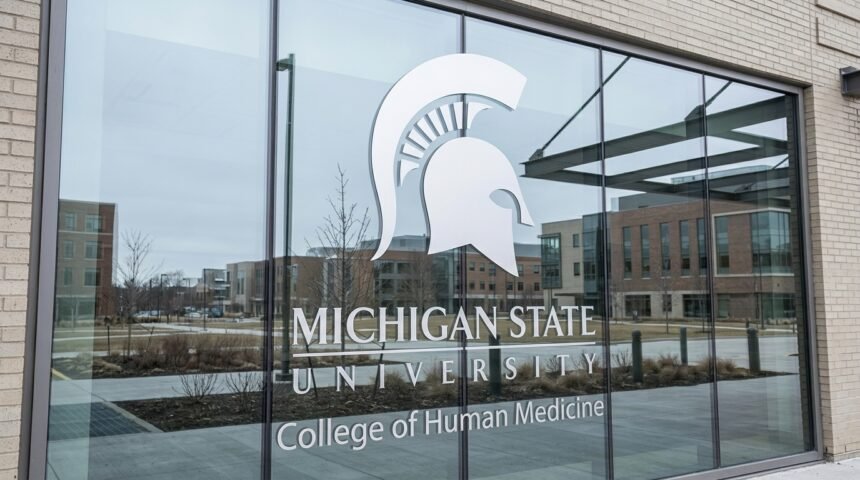
A lawsuit now working its way through Michigan’s court system is drawing attention well beyond campus. A former Michigan State University graduate student, LingLong Wei, is seeking $100 million from the university, alleging that years of unprotected pesticide exposure during her horticulture research caused her thyroid cancer.
For business owners, university administrators, and risk managers, the case is worth watching for reasons that go beyond the headlines. It’s a real-world illustration of how a single gap in workplace safety protocol — even one that seems routine at the time — can turn into a nine-figure liability years down the road.
The Core Allegation
Wei worked as a research assistant in MSU’s horticulture program starting in 2008. According to her legal team, she was sent to spray pesticides — including paraquat dichloride, glyphosate, and oxyfluorfen — without protective equipment or formal safety training, in some cases before she’d even attended her first class. She was diagnosed with papillary thyroid carcinoma in 2024.
A full breakdown of the allegations, the legal claims involved, and the case’s current status is available in this detailed guide to the MSU chemical exposure lawsuit.
Why This Matters for Any Organization Handling Hazardous Materials
Universities aren’t the only institutions that put researchers, technicians, or lab staff in contact with hazardous chemicals. Agricultural businesses, manufacturers, and research-adjacent employers all carry similar exposure risk — and similar legal exposure if protective protocols aren’t followed and documented.
Federal rules already exist to prevent exactly the kind of harm alleged in this case. The Environmental Protection Agency’s Agricultural Worker Protection Standard requires employers to provide pesticide safety training, protective equipment, and restricted-entry intervals for anyone handling or working near agricultural pesticides. Wei’s complaint alleges MSU fell short of exactly these kinds of protections.
A Procedural Wrinkle Worth Knowing
Because MSU is a public institution, Wei’s case had to go through Michigan’s Court of Claims rather than a standard civil court — and her attorneys had to file a formal notice of intent before the lawsuit itself. Michigan’s own statute spells out the requirement: claims for personal injury against the state generally must be filed within six months of when the injury-causing event occurred, per MCL 600.6431.
That six-month window is a lot shorter than most people expect, and it’s a detail that trips up otherwise valid claims against public institutions. It’s also part of why cases involving public universities can look procedurally different from a lawsuit against a private employer.
The Bigger Takeaway
Whether or not Wei ultimately prevails, the case underscores a point risk managers already know but sometimes underweight: safety training and documentation aren’t just compliance checkboxes. They’re the evidence that determines who bears liability when something goes wrong years later. For a deeper look at how the legal claims in this specific case work — including the notice-of-intent process, the science behind the pesticide allegations, and what happens next — see the full MSU chemical exposure lawsuit case explainer.