

Does sunscreen prevent tanning? The short answer is no — not completely. But broad-spectrum sunscreen with high SPF and strong UVA protection dramatically reduces tanning when used the right way. Any tan you still get is your skin’s way of saying “I’ve been damaged by UV rays.”
- What Is Skin Tanning and Why Does It Happen?
- Understanding UVA vs. UVB Rays – The Real Drivers of Tanning
- How Does Sunscreen Work to Reduce (But Not Stop) Tanning?
- Does SPF Prevent Tanning? SPF Levels Explained with Real Numbers
- Can You Tan With Sunscreen On? (And Why You Still Might)
- Risks of Tanning (With or Without Sunscreen) – No Safe Tan Exists
- How to Apply Sunscreen Correctly to Minimize Tanning
- Prevent Tanning With More Than Just Sunscreen – Layered Protection
- Sunscreen Myths vs. Facts – Debunking the Biggest Misconceptions
- Choosing the Best Sunscreen to Minimize Tanning in 2026
- Does Sunscreen Affect Vitamin D Production? Balancing Protection and Health
- Tanning Prevention for All Skin Tones – Including Darker Skin
- Build a Daily Sunscreen Routine for Long-Term Protection (Unique Tip)
- FAQs
- Conclusion
Most people search this because they notice a glow even after slathering on sunscreen. You’re not alone. In this complete guide, we pull together the latest science, real dermatologist quotes, exact numbers, and practical tips that top-ranking pages miss. You’ll learn why tanning happens, how to minimize it safely, and why no safe tan exists. Let’s get straight to the facts so you can protect your skin and finally stop guessing.

Diagram of Skin Layers and UV Radiation Penetration Stock Illustration – Illustration of tissue, surface: 404385310
What Is Skin Tanning and Why Does It Happen?
Skin tanning is your body’s emergency response to UV damage. As dermatologist Dr. Mikhail explains, “Tanning is the skin’s injury response. When it senses UV damage taking place, it stimulates pigment-producing cells to ramp up production of melanin for protection.”
That “healthy glow” is actually proof your skin has already been injured. Melanin production darkens the surface to shield deeper layers, but the damage underneath keeps adding up.
Important: There’s no such thing as a safe tan, even with the best sunscreen. Every tan means UV radiation has done its work.
Understanding UVA vs. UVB Rays – The Real Drivers of Tanning
UVA rays are the main culprit behind tanning and photoaging — they cause up to 90% of visible skin changes like wrinkles and dark spots. UVB rays mostly trigger sunburns and surface damage.
UVA rays penetrate deeper, stay strong all day (even through clouds and windows), and trigger melanin production. That’s why you can tan without burning.
Broad-spectrum sunscreen blocks both, but the key is strong UVA protection (look for PA+++ or higher). SPF alone measures only UVB rays.
| Ray Type | Depth | Main Effect | Best Blocked By |
|---|---|---|---|
| UVA | Deep | Tanning + 90% of aging | PA rating + broad-spectrum |
| UVB | Surface | Sunburn + some skin cancer | SPF rating |

News : Sunscreen SPF – How high should I go?
How Does Sunscreen Work to Reduce (But Not Stop) Tanning?
Sunscreen comes in three types:
- Chemical sunscreens (oxybenzone, avobenzone) absorb UV rays and turn them into heat.
- Mineral sunscreens (zinc oxide, titanium dioxide) reflect rays away like a shield.
- Hybrid sunscreens do both.
No formula is “impenetrable armor.” As Dr. Persaud says, “Correct application of sunscreen should limit your tanning — but it won’t stop it completely.” Sunscreen softens the impact and wears off, which is why reapplication matters so much.
Does SPF Prevent Tanning? SPF Levels Explained with Real Numbers
SPF tells you how well a product blocks UVB rays. Here’s the exact breakdown:
| SPF Value | % UVB Blocked | Real-World Tanning Impact | Best Use Case |
|---|---|---|---|
| SPF 15 | ~93% | Noticeable tanning possible | Short daily outings |
| SPF 30 | ~97% | Much less tanning (30x longer to burn) | Everyday use |
| SPF 35 | ~97% | Strong daily protection | Recommended minimum |
| SPF 50 | ~98% | Minimal tanning | Extended outdoor time |
| SPF 100 | ~99% | Very little tanning | Beach or high-risk days |
Key fact: Higher SPF gives only tiny extra protection — SPF 50 is not twice as strong as SPF 25. UV protection is not directly proportional to SPF. Focus on broad-spectrum and proper use instead.
Can You Tan With Sunscreen On? (And Why You Still Might)
Yes, you can tan with sunscreen on. Reasons include:
- Not using broad-spectrum (UVA slips through)
- Under-applying or missing spots (ears, neck, back of hands)
- Skipping reapplication every 2–3 hours
- Staying out during peak hours (10 a.m. to 4 p.m.)
Tanning with sunscreen is slower damage, not zero damage.
Risks of Tanning (With or Without Sunscreen) – No Safe Tan Exists
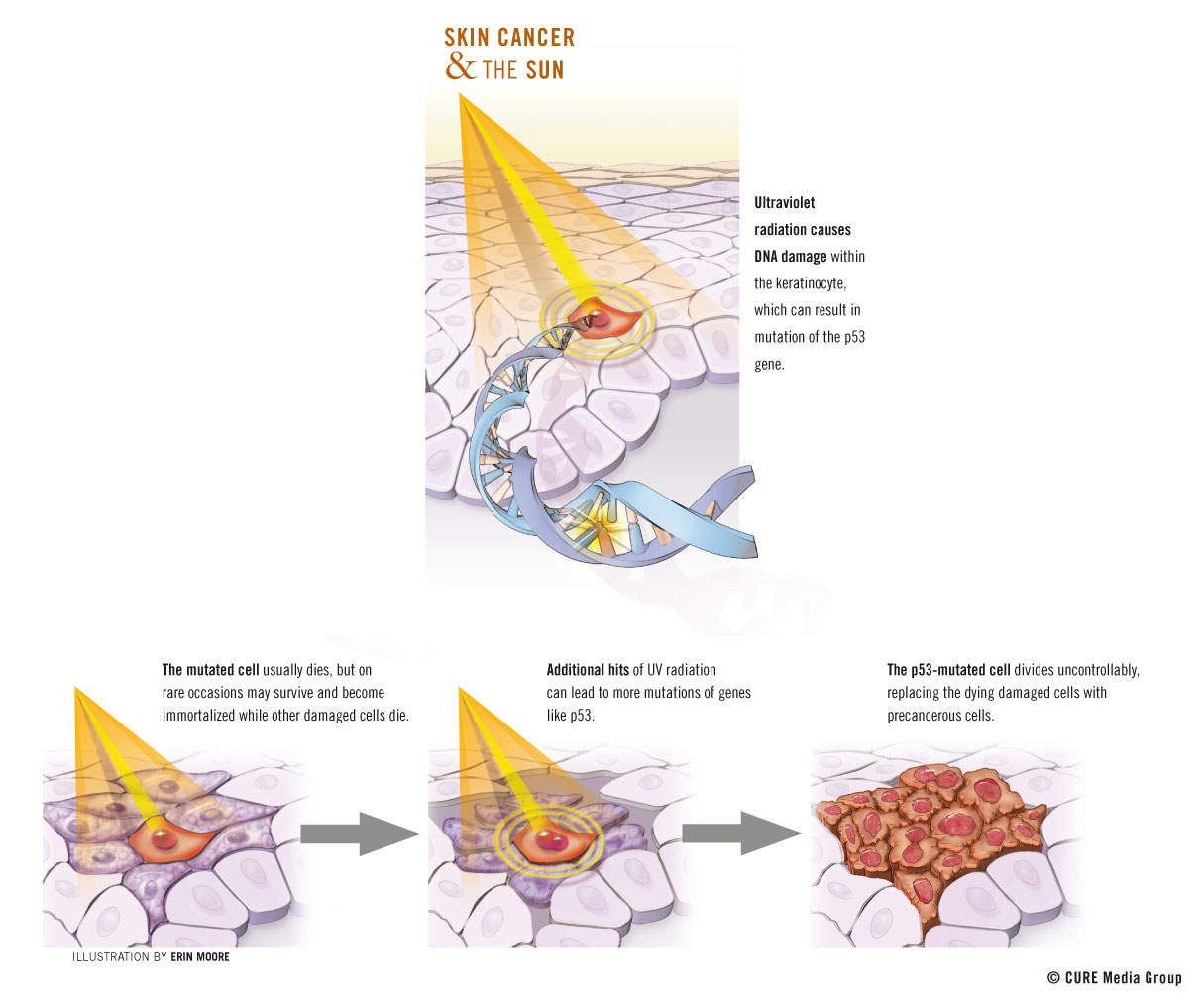
Tanning is never safe. It accelerates premature aging, wrinkles, hyperpigmentation, sunspots, and skin cancer risk.
Tanning beds are especially dangerous — they deliver concentrated UVA/UVB rays in a short time with enormous long-term risks. Dermatologists warn there is no safe or healthy way to tan using beds or sun lamps.
Safer alternatives: Self-tanning lotions, bronzers, or spray tans give color without any UV damage.
The Dangers of Tanning Beds | Calladerm Dermatology
Case example: Many patients who thought weekend tanning was “harmless” later needed mole checks for early skin changes. Early detection by a dermatologist saves lives.
How to Apply Sunscreen Correctly to Minimize Tanning
Correct application of sunscreen is where most people lose protection.
- Apply 30 minutes before going outside so it absorbs fully.
- Use two fingers’ worth for your face and neck (the famous two-finger rule).
- Cover often-missed spots: ears, neck, back of hands.
- Reapply every 2–3 hours — or immediately after swimming, sweating, or toweling off.
Pro tip: Use a high-SPF lip balm, wide-brimmed hat, and sunglasses for extra defense.

The two finger rule for sunscreen | Curology
How often should I use sunscreen to prevent tanning? Every single day — even on cloudy or rainy days, because UV rays penetrate clouds.
Prevent Tanning With More Than Just Sunscreen – Layered Protection
Sunscreen works best in a team:
- Seek shade during peak hours (10 a.m.–4 p.m.).
- Wear protective clothing and UPF fabrics.
- Add hats and sunglasses.
| Method | Tanning Reduction | Extra Benefits |
|---|---|---|
| Sunscreen only | High | Easy for daily use |
| + Shade | Very high | No constant reapplication |
| + Clothing + Hat | Highest | Near-complete UVA/UVB block |
Sunscreen Myths vs. Facts – Debunking the Biggest Misconceptions
Myth: Lower SPF lets you tan “safely.” Fact: Any tan is damage — SPF only slows sunburn, not tanning speed.
Myth: Sunscreen causes or speeds up tanning. Fact: It blocks the UV rays that cause tanning.
Myth: Sunscreen removes an existing tan. Fact: It prevents further tanning but does not fade what’s already there.
Choosing the Best Sunscreen to Minimize Tanning in 2026
Look for broad-spectrum, SPF 30+, PA+++ or higher, water-resistant formulas.
Dermatologists recommend tailoring to your skin type: lightweight fluids for oily/acne-prone skin, hydrating options for dry skin, or tinted mineral for sensitive skin. Popular choices include ultra-light mineral formulas that leave no white cast.
Facial vs. body sunscreen: Face versions are lighter, less greasy, and often include anti-aging ingredients. Body versions are thicker.
:max_bytes(150000):strip_icc()/rsp-roundup-doctor-recommended-sunscreens-tout-ba75e618538c4b1a925d48a9e23f7a80.jpg "Does Sunscreen Prevent Tanning? Honest Truth & Facts")
Dermatologist-Recommended Sunscreens to Wear Daily
Does Sunscreen Affect Vitamin D Production? Balancing Protection and Health
Daily broad-spectrum sunscreen does not cause vitamin D deficiency for most people. Get vitamin D safely from food, supplements, or brief early-morning exposure — never from tanning.
Tanning Prevention for All Skin Tones – Including Darker Skin
Tanning happens across every skin tone. Darker skin has more natural melanin but still faces UV damage, hyperpigmentation, and skin cancer risk. Choose lightweight or tinted mineral sunscreens to avoid white cast.
Build a Daily Sunscreen Routine for Long-Term Protection (Unique Tip)
Incorporate sunscreen into your everyday routine — not just beach days. Apply every morning after moisturizer and reapply as needed. This habit prevents cumulative photoaging and keeps skin healthier for years.
FAQs
Does sunscreen prevent tanning completely? No — it significantly reduces it but never blocks 100% of UV rays.
Can you tan with sunscreen on? Yes, a little, especially without proper broad-spectrum and reapplication.
Does SPF prevent tanning? It slows it dramatically when combined with PA+++ UVA protection.
Will sunscreen remove tan? No, but consistent use prevents new tanning and helps protect against further damage.
Is face sunscreen different from body sunscreen? Yes — facial formulas are lighter and target specific skin concerns.
How much sunscreen to prevent tanning? Two fingers for face/neck; one ounce (shot glass) for the full body.
Conclusion
Does sunscreen prevent tanning? It doesn’t stop it 100%, but broad-spectrum sunscreen used correctly is still your most powerful daily defense against UV damage, premature aging, and skin cancer.
The real win isn’t a perfect tan-free life — it’s protecting your skin so you can enjoy the outdoors for decades. Start today: pick a broad-spectrum SPF 30+ with PA+++, apply it right, layer your protection, and make it a daily habit.
Your future skin will thank you. Stay safe, stay smart, and remember — the only truly safe “tan” is the one from a bottle.