


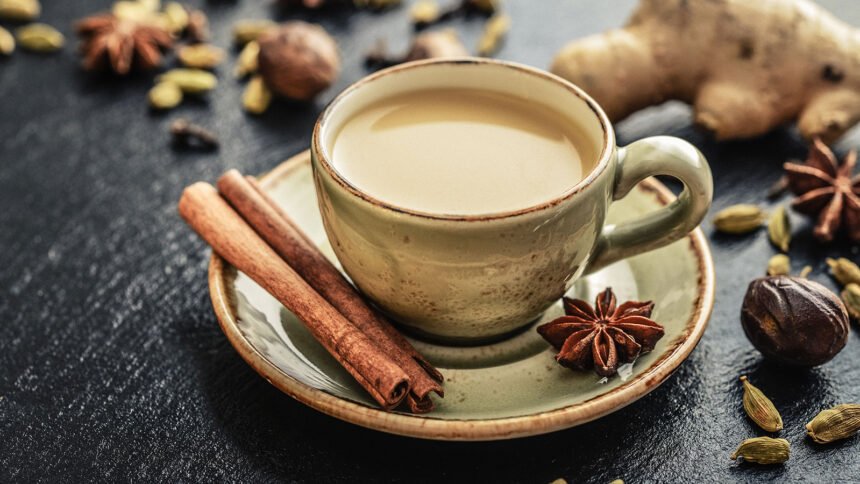
Does chai have caffeine? Yes — traditional masala chai contains caffeine because it starts with a black tea base. But the amount varies a lot depending on how you brew it, and there are easy ways to control or even eliminate it completely.
- What Is Chai Tea? (And Why “Chai Tea” Is Technically Redundant)
- Does Chai Tea Have Caffeine? The Clear Answer
- How Much Caffeine Is in Chai Tea? Exact Numbers and Ranges
- What Affects Caffeine Levels in Chai? (The Real Factors Most Guides Miss)
- Chai Tea vs Coffee — Energy, Crash, and Real Differences
- Health Considerations and Who Should Be Careful
- How to Make Lower-Caffeine or Caffeine-Free Chai at Home
- Best Caffeine-Free Chai Alternatives
- Common Myths About Chai and Caffeine
- Final Takeaways: Make Chai Work for Your Lifestyle
In this updated guide, you’ll get the exact numbers, fresh comparisons, and practical tips pulled from the latest tea research and real-world brewing data. We’ll cover everything from how much caffeine is in chai tea to caffeine-free alternatives, so you can enjoy your favorite spiced drink without guesswork. Whether you want a gentle morning lift or a zero-caffeine evening cup, this article has you covered.
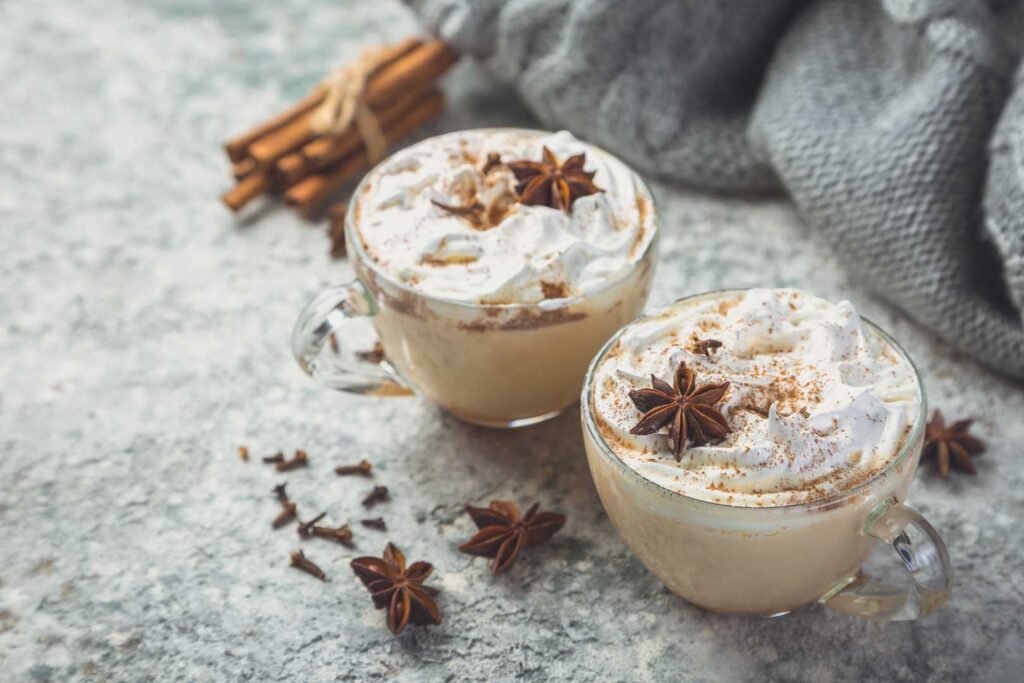
The Spicy History of Chai and How to Make It | HowStuffWorks
What Is Chai Tea? (And Why “Chai Tea” Is Technically Redundant)
Chai simply means “tea” in Hindi, so saying “chai tea” is a bit like saying “tea tea.” The full traditional name is masala chai — “spiced tea.” It combines strong black tea leaves (usually Assam or Ceylon) with a bold mix of spices: cinnamon, ginger, cardamom, cloves, black pepper, and sometimes star anise or cumin. Milk and a touch of sweetener complete the creamy, warming drink most of us love.
A chai latte you order at a café is simply this spiced tea served with steamed milk — no espresso unless it’s called a “dirty chai.” The caffeine always comes from the black tea base, never from the spices themselves.
Does Chai Tea Have Caffeine? The Clear Answer
Yes, traditional masala chai has caffeine. The spices add flavor and health perks, but the buzz comes entirely from the black tea. Herbal chai or rooibos chai versions skip the tea leaves and contain zero caffeine.
Most 8-ounce cups deliver 25–70 mg, with the average sitting at 30–50 mg. That’s roughly half the caffeine in a standard cup of coffee.
How Much Caffeine Is in Chai Tea? Exact Numbers and Ranges
Here’s a clear breakdown of chai tea caffeine content based on real measurements:
| Beverage (8 oz) | Caffeine Range | Notes |
|---|---|---|
| Traditional Masala Chai | 25–70 mg | Average 30–50 mg |
| Strong Assam Chai | 40–60 mg | Higher end |
| Lighter Darjeeling Chai | 25–40 mg | Gentler brew |
| Coffee-Shop Chai Latte | 30–95 mg | Concentrates push it higher |
| Dirty Chai (with espresso) | 100–150 mg | Adds a full coffee shot |
| Green Tea Chai | 20–45 mg | 20–30% less than black |
| Herbal/Rooibos Chai | 0 mg | Completely caffeine-free |
Brand-specific examples:
- Oregon Chai concentrate: 30–40 mg
- Tazo concentrate: ~50 mg
- Starbucks grande chai latte: ~95 mg
A half-tea, half-spice blend drops the number to 11–24 mg per cup. Larger 12–16 oz to-go cups can reach 26 mg (short steep) or 42 mg (longer steep).

Loose Leaf Chai Tea Recipe | How to Brew It
What Affects Caffeine Levels in Chai? (The Real Factors Most Guides Miss)
Several details change how much caffeine is in chai tea:
- Steep time — Most caffeine releases in the first 3 minutes. A quick 2-minute brew gives about 25 mg. Five minutes can hit 70 mg. After 5 minutes you mostly get bitterness, not more caffeine. Traditional Indian chai is often simmered 10+ minutes and lands at the higher end.
- Tea type and leaf grade — Assam is stronger (40–60 mg). Darjeeling is lighter. Crushed or bagged leaves release caffeine faster because of greater surface area. Younger tea leaves (early harvest) naturally contain more caffeine.
- Tea-to-spice ratio — More spices dilute the caffeine. A 50/50 blend cuts it roughly in half.
- Brew strength and method — Concentrates and boiling extract more. Milk dilution lowers the final buzz slightly by increasing volume.
- Water temperature — Water just below a full boil slows extraction for a gentler cup.
Pro tip: Shortening your steep to 2–3 minutes can reduce caffeine by 30–40% while keeping the rich spiced flavor.
Chai Tea vs Coffee — Energy, Crash, and Real Differences
Chai gives a smoother ride than coffee. Here’s why:
Energy Curve Comparison
| Factor | Chai Tea | Coffee |
|---|---|---|
| Energy Release | Gradual, sustained | Sharp spike |
| L-Theanine | Present — smooths the buzz | Absent |
| Crash Risk | Minimal | Common 2–3 hours later |
| Digestive Feel | Ginger helps digestion | Can cause jitters or upset |
| Overall Vibe | Grounding and steady | Intense and jittery |

How to Stop Caffeine Jitters Fast | Performance Lab®
The secret is L-theanine in black tea, which pairs with caffeine for calm, focused energy instead of the classic coffee crash. Many people call chai the “Goldilocks option” — enough lift without the intensity.
Health Considerations and Who Should Be Careful
Chai tea offers real perks. Black tea antioxidants support wellness, while the spices bring extra benefits: ginger aids digestion, cinnamon may help blood sugar balance, and cardamom supports the gut.
Caffeine-sensitive individuals often handle chai better than coffee because of the smoother release. Still, listen to your body.
- Pregnancy — Stick under the common 200 mg daily limit. One or two cups of regular chai usually fits safely.
- Evening drinkers — Finish caffeinated chai by 3 PM or at least 4–6 hours before bed to protect sleep.
- Daily total — Track everything; a strong 16 oz latte can sneak in more than you expect.
According to the USDA FoodData Central, chai with milk provides a balanced nutritional profile alongside its moderate caffeine.
Research also shows tea caffeine bonds with tannins, releasing slowly and enlarging cerebral blood vessels for steady alertness without the heart-racing effect of coffee (source: Tea: History, Terroirs, Varieties, 2013).
For deeper science on caffeine stability, see this PubMed study on tea compounds.
How to Make Lower-Caffeine or Caffeine-Free Chai at Home
You have full control. Try these proven methods:
- Steep only 2–3 minutes instead of 5+.
- Use 25–50% less black tea and more spices.
- Switch to a decaf black tea base (trace amounts remain at just 2–5 mg).
- Blend half black tea with half rooibos for the same masala flavor with far less caffeine.
- Choose loose-leaf over bags when you want precise control.
Simple Low-Caffeine Recipe (8 oz cup) Bring 1 cup water to a near-boil. Add ½ teaspoon loose black tea (or decaf) + 1 teaspoon spice blend. Simmer 2 minutes. Strain, add warm milk and honey. You get all the cozy taste with roughly half the usual caffeine.

Loose Leaf Chai Tea Recipe | How to Brew It
Best Caffeine-Free Chai Alternatives
When you want zero caffeine, reach for rooibos chai or pure herbal spice blends. Rooibos (red bush) is naturally caffeine-free, slightly sweet, and pairs perfectly with the classic masala spices.

Amazon.com : Numi Organic Rooibos Chai Tea Loose Leaf, Caffeine-Free Chai Tea with Spices, 16 oz Bulk Pouch, Herbal Tea, Smooth Bold Flavor Brews 200 Cups : Grocery & Gourmet Food
Brands like Saratoga Red Chai use a rooibos base for a spicy, satisfying cup with 0 mg caffeine — perfect for evenings or sensitive days.
Common Myths About Chai and Caffeine
Myth 1: All chai is caffeine-free. Reality: Only herbal and rooibos versions are. Traditional masala chai always has some.
Myth 2: Spices cancel out the caffeine. Reality: Spices add flavor and benefits but don’t neutralize caffeine.
Myth 3: Chai has as much caffeine as coffee. Reality: It usually has 25–50% as much — and feels much gentler.
Final Takeaways: Make Chai Work for Your Lifestyle
Does chai have caffeine? Yes in traditional form, but the amount is moderate, flexible, and easy to adjust. With 25–70 mg per cup on average, it sits in that sweet spot — enough for gentle energy, not enough to cause most people problems.
You now know exactly how steep time, leaf type, and brewing method change the numbers. You have simple recipes, brand examples, and zero-caffeine options. Brew smarter, enjoy the spices, and choose the caffeine level that fits your day.
Love your chai ritual without the worry — whether it’s a bold morning masala or a soothing caffeine-free rooibos cup at night.
Go to Sac Biz News for more quality, informative content.