


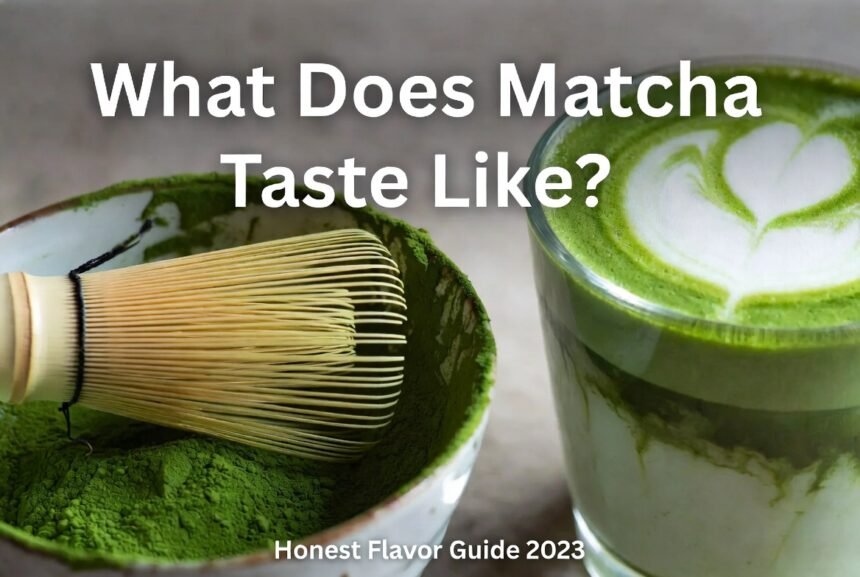
What does matcha taste like? If you’ve ever taken that first sip and wondered why it tastes grassy, earthy, or even a little fishy, you’re not alone. Most people expect something like regular green tea, but real matcha delivers a completely different experience because you drink the entire stone-milled leaf.
- The True Flavor Profile of Matcha
- What Does Good Matcha Taste Like vs. Bad Matcha?
- Why Does Matcha Taste Fishy or Bitter? (And How to Fix It)
- Factors That Affect Matcha Taste
- How to Prepare Matcha So It Tastes Amazing
- Matcha Taste Test: Try It at Home in 5 Minutes
- Matcha vs. Other Green Teas – Why the Taste Is So Different
- Common Questions About Matcha Taste (FAQ)
- Ready to Love Your Next Cup?
High-quality ceremonial-grade matcha gives a smooth balance of rich umami, gentle grassy notes, natural sweetness, and a creamy texture that feels indulgent yet light. Lower-grade or stale matcha often turns harsh, bitter, or muddy.
For a deeper look at how shade-growing affects these flavors, see this detailed study on matcha cultivation from the Journal of Food Science. (https://pubmed.ncbi.nlm.nih.gov/ )
In this complete guide we pull together the best insights from top sources and add what they missed — so you get the full picture. You’ll learn the exact flavor profile, why quality and preparation matter so much, and simple steps to make every cup taste amazing. By the end you’ll confidently choose and prepare matcha that actually tastes good.
Does Matcha Powder Expire? Shelf Life & Storage Guide – CHTMatcha
The True Flavor Profile of Matcha
Matcha tastes unlike any other tea because you consume 100 % of the finely ground leaf. This creates a full-bodied experience packed with chlorophyll, L-theanine, and unique compounds that other steeped teas simply leave behind.
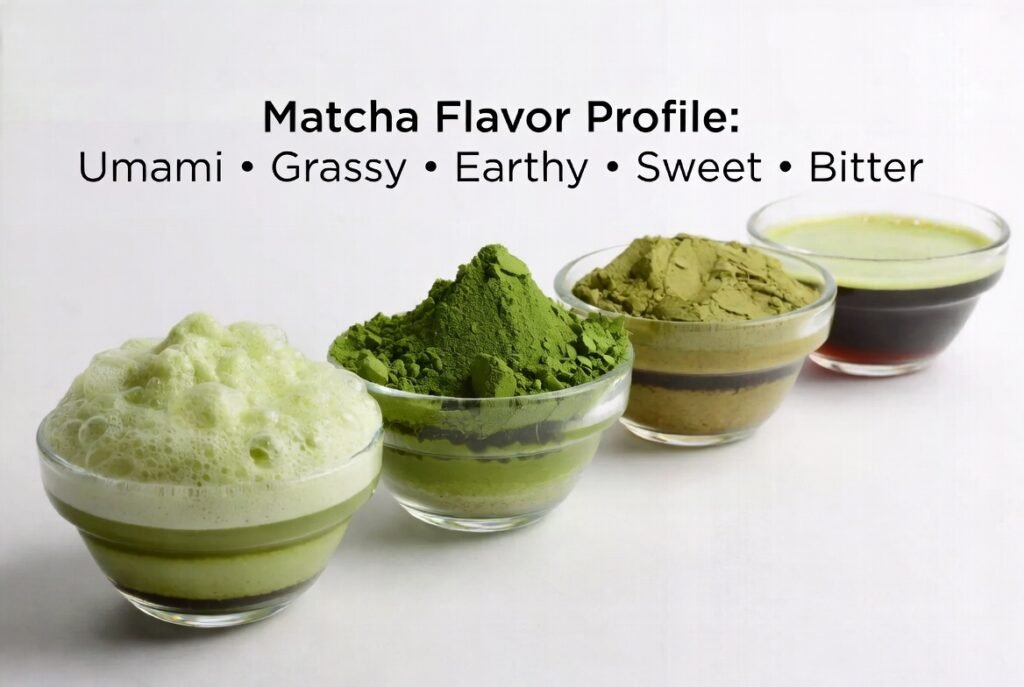
Here is the complete, merged flavor profile that combines every expert description:
| Tasting Note | What It Tastes Like | Mouthfeel | Everyday Comparison |
|---|---|---|---|
| Umami | Savory, brothy depth — the “5th taste” | Creamy, full-bodied | Nori seaweed, miso, mushrooms, soy sauce |
| Grassy / Vegetal | Fresh green, plant-like brightness | Clean and slightly earthy | Cut grass, steamed spinach, fresh peas |
| Earthy | Grounded soil-like note from high chlorophyll | Smooth and rounded | Fresh rain on soil, green vegetables |
| Natural Sweetness | Subtle lingering sweetness | Soft and pleasant aftertaste | Well-aged white wine, spring peas, almonds |
| Bitterness | Gentle edge that finishes clean | Light astringency | Dark chocolate (mild in high-grade) |
Ceremonial-grade matcha starts with a mild vegetal aroma that has subtle floral or oceanic undertones. The first impression is often deep umami with savory depth, followed by mellow grassy freshness and a natural sweetness that lingers softly. A gentle bitterness adds structure without sharpness. When whisked properly it develops a creamy, frothy layer with a gentle weight on the tongue that feels deeply satisfying.
One tea expert described it perfectly: “With each cup, you’re not just tasting tea… you’re tasting craftsmanship, tradition, and a deep connection to the land and growers who made it possible.”
Low-grade or old matcha loses the sweetness and turns overwhelmingly grassy, bitter, or even fishy. That is why first-timers often think “matcha tastes bad” when the problem was simply the powder or preparation.
What Does Good Matcha Taste Like vs. Bad Matcha?
Spotting the difference is easy once you know what to look for.
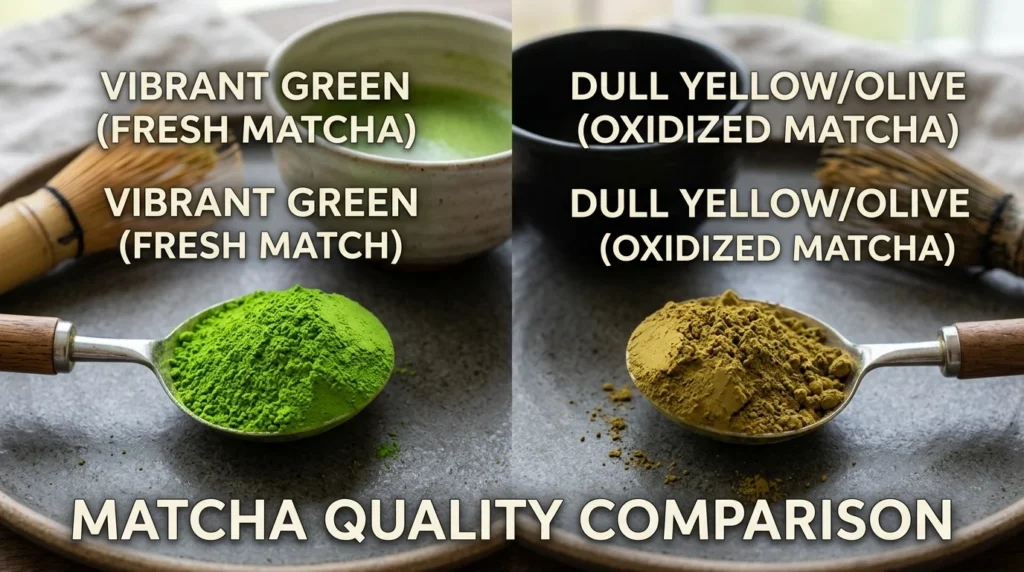
Good matcha (ceremonial grade) is vibrant emerald green, smells fresh and slightly sweet, and delivers balanced umami with creamy texture. It feels luxurious and refined.
Bad matcha (low-grade or stale) looks dull olive or yellowish, smells flat or hay-like, and tastes harshly bitter or muddy with an unpleasant fishy aftertaste.
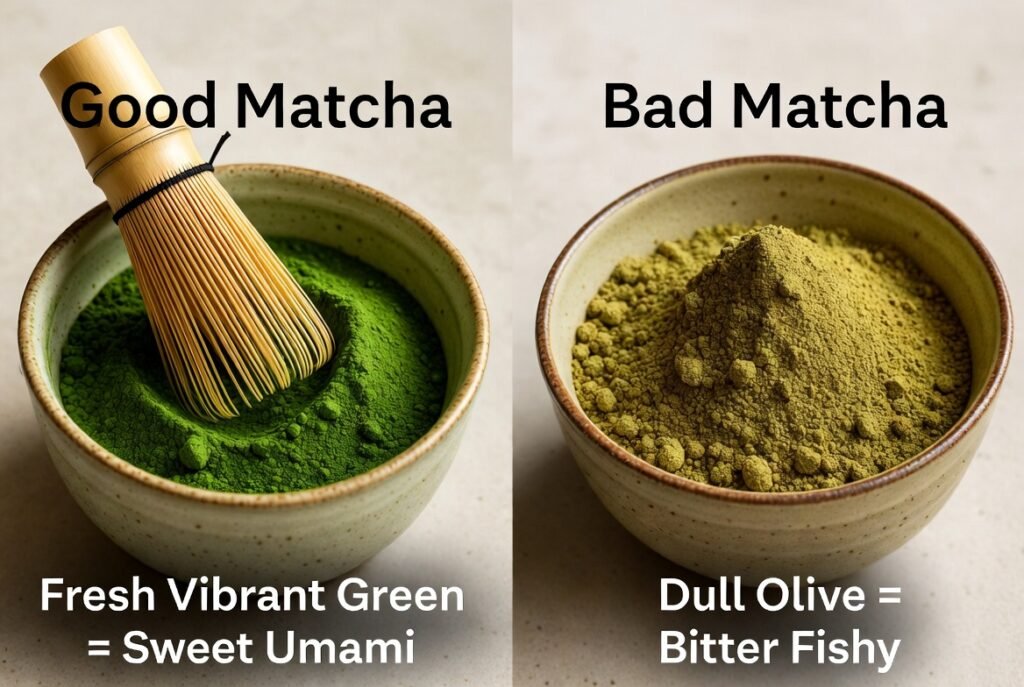
Quick comparison table:
| Feature | Good Matcha (Ceremonial) | Bad Matcha (Culinary or Old) |
|---|---|---|
| Color | Bright vibrant emerald green | Dull olive, yellow, or brownish |
| Aroma | Fresh with floral or oceanic notes | Hay-like, musty, or almost none |
| Taste | Balanced umami, mild grass, sweet | Harsh bitterness, overpowering grass |
| Texture | Creamy and frothy | Gritty or watery |
| Aftertaste | Clean and pleasant | Drying, bitter, or slightly fishy |
If your powder looks like the “bad” column, it is probably past its prime or low quality — switch to a fresh ceremonial grade and the difference is dramatic.
Why Does Matcha Taste Fishy or Bitter? (And How to Fix It)
Why does matcha taste fishy? That off-putting note almost always comes from low-grade powder, old stock exposed to air, or improper storage. Cheap matcha often includes more stems and oxidizes quickly.
Is matcha supposed to be bitter? Only mildly. High-quality versions have a rounded bitterness that balances the umami and sweetness. Harsh bitterness usually means the water was too hot, the powder is old, or you are using culinary grade straight instead of in a latte.
Common causes and fast fixes:
- Water temperature too high — never use boiling water.
- Old or poorly stored powder — it loses sweetness fast.
- Low-quality grade or non-organic (pesticides affect taste when you consume the whole leaf).
- Poor whisking that leaves clumps.
Fix these and your matcha taste changes from “meh” to “I want another cup.”
Factors That Affect Matcha Taste
Several key elements change how your matcha ends up tasting. Understanding them helps you get consistently great results every time.
Grade matters most Ceremonial-grade matcha uses the youngest, most tender shade-grown leaves for a smooth, sweet-umami forward taste. Culinary-grade matcha is bolder and more astringent — perfect for lattes and baking but too strong on its own.
Growing and origin The best matcha comes from Japan — especially Uji or Shizuoka prefecture. Leaves are shade-grown for 3 to 4 weeks before harvest. This boosts chlorophyll (for the vibrant green and earthy notes) and L-theanine (for the savory umami). The steaming process during processing adds a pleasant earthy bitterness that high-grade matcha balances beautifully.
Water quality and temperature Fresh spring water is preferred because its natural pH and minerals bring out the subtle flavors. Filtered water is second best. Avoid hard or well water. Keep temperature at a maximum of 175°F (80°C) — boiling water burns the matcha and creates bitterness.
Freshness and storage Matcha stays at its peak for only 3 to 4 weeks after opening. Store in an airtight container in a cool, dark place. Once opened, many experts recommend the fridge. Unopened it can last several months away from light and heat.
Organic vs non-organic Because you drink the entire leaf, organic is especially important. Non-organic leaves may carry pesticide residues that alter the clean taste.
Case Study: Why Cafés Are Seeing Explosive Growth One major café chain reported an 80% increase in matcha sales after switching to premium ceremonial-grade sourced from Uji, Japan. Customers loved the smoother, rounder taste and sustained energy without jitters. The secret? Consistent quality, proper 175°F preparation, and educating staff on the flavor profile. This shows that when matcha tastes good, people come back — and bring friends.
How to Prepare Matcha So It Tastes Amazing
Great matcha taste starts with proper technique. Here is exactly how the experts do it.
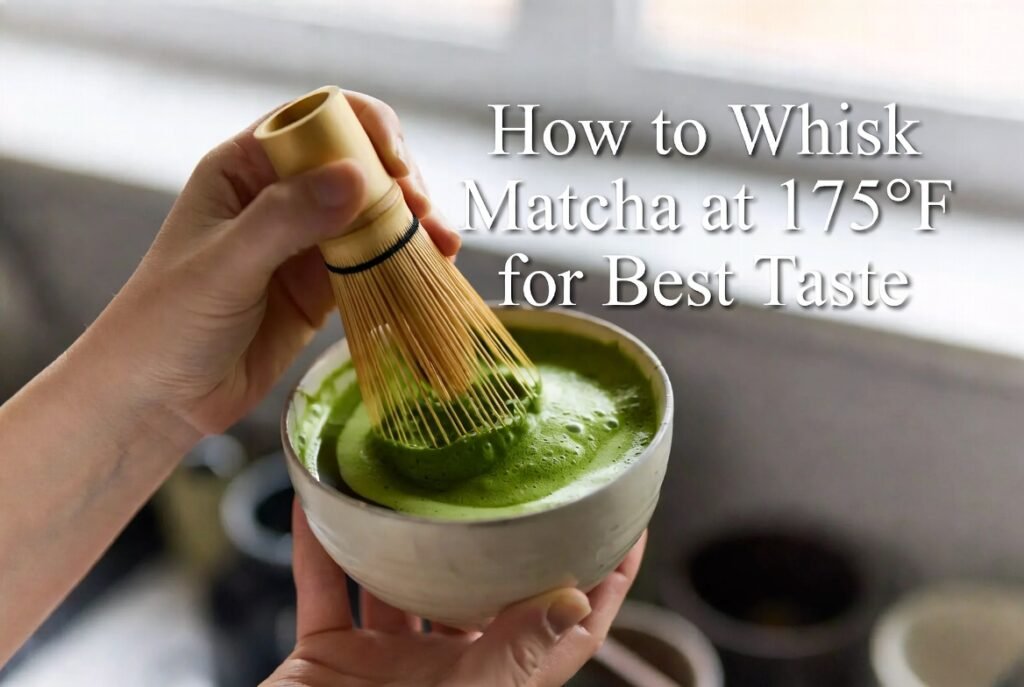
Traditional straight matcha (usucha – thin everyday style)
- Sift 1 teaspoon of ceremonial-grade matcha into your bowl (sifting prevents clumps).
- Add 70 ml (¼ cup + 2 teaspoons) of water at 175°F (80°C).
- Whisk vigorously in a W or M motion with a bamboo chasen until frothy and creamy (15–20 seconds).
- Sip and enjoy the pure flavor.
Thick style (koicha – ceremonial) Use 2 teaspoons (4 grams) with only 40 ml of water for a richer, more concentrated taste.
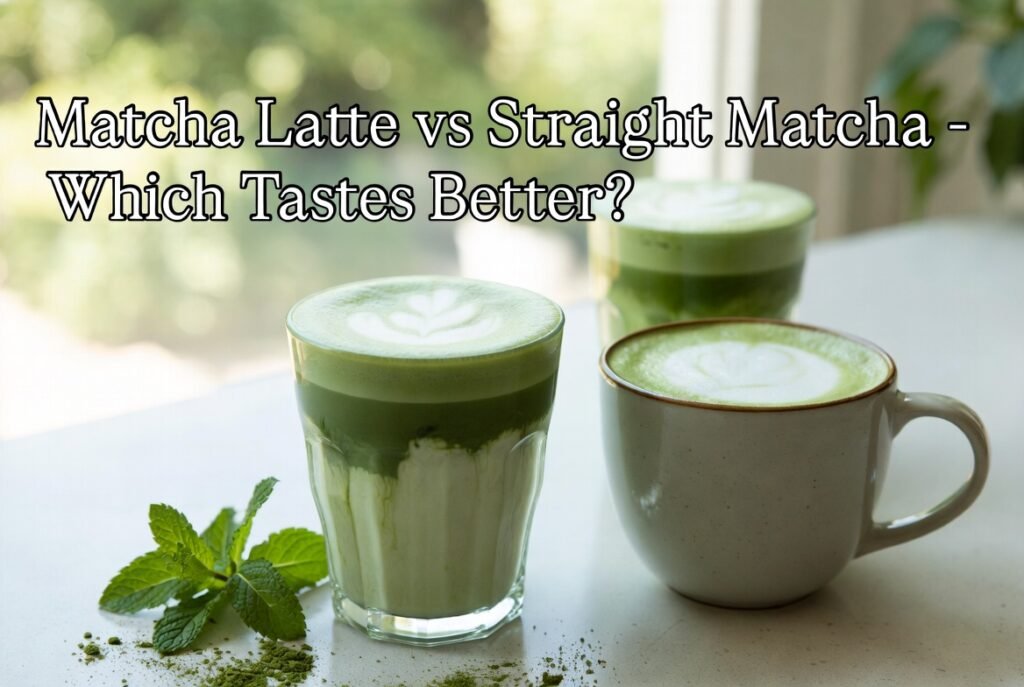
Matcha latte (hot or iced)
- Whisk 1–2 teaspoons of matcha into a paste with a splash of hot water.
- Add sweetener if desired (a tiny bit of honey or maple softens any edge for beginners).
- Top with steamed or cold milk (dairy, almond, oat, or soy). For iced, pour over ice.
Pro tip: Always use a bamboo whisk (chasen) and a proper chawan bowl for the best frothy texture. A full matcha set makes the process simple and enjoyable.
Iced Matcha Latte with Beautiful Latte Art Stock Illustration – Illustration of foam, antioxidant: 427800309
Matcha Taste Test: Try It at Home in 5 Minutes
Discover your own preferences with this quick test.
Step-by-step taste test
- Buy one small pack of fresh ceremonial-grade matcha.
- Prepare a plain usucha using the method above.
- Take three small sips and note the first flavor (umami? grass? sweet?).
- Try the same powder as a latte the next day and compare.
Quick scoring table (use a notebook):
| Aspect | Your Score (1–10) | Notes |
|---|---|---|
| Umami / Savory | ||
| Grassy Freshness | ||
| Natural Sweetness | ||
| Bitterness Level | (1 = too harsh, 10 = perfect) | |
| Overall Enjoyment |
One beginner shared after the test: “I thought I hated matcha until I tried fresh ceremonial grade whisked properly at 175°F. Now it’s my morning ritual — creamy, slightly sweet, and energizing without the jitters.”
Matcha vs. Other Green Teas – Why the Taste Is So Different
Regular green tea is steeped and the leaves are discarded, so you get only a fraction of the flavor. Matcha is the whole leaf, which explains its richer, more vegetal profile.
Simple comparison:
| Tea Type | Taste Profile | Intensity | Best For |
|---|---|---|---|
| Matcha | Umami, grassy, creamy, full-bodied | High | Straight or latte |
| Sencha | Light grassy, slightly nutty | Medium | Everyday sipping |
| Gyokuro | Sweet umami, less grass | Medium | Special occasions |
| Regular Green | Mild grassy, sometimes bitter | Low | Quick brew |
Matcha also originated in China during the Tang Dynasty but became central to the Japanese tea ceremony — a ritual of presence, purity, tranquility, and mindfulness. That calm, focused energy comes largely from high L-theanine levels that soften the caffeine for steady alertness without jitters. For more on L-theanine benefits, read this review from the National Institutes of Health.
Common Questions About Matcha Taste (FAQ)
What does matcha taste like in a latte? Much milder and creamier. Milk softens the grassiness and highlights the natural sweetness.
Why does matcha taste like grass? That is the natural vegetal note from the green leaves and chlorophyll. High-quality versions keep it fresh and pleasant rather than overpowering.
How long does matcha stay fresh? Use within 3 to 4 weeks of opening for the best taste. Store airtight and cool.
Does ceremonial matcha taste different from culinary? Yes — ceremonial is smoother and sweeter; culinary is bolder and more bitter, ideal for recipes.
Can you reduce the fishy taste? Absolutely. Choose fresh, high-grade organic powder from Japan, use 175°F water, and store properly.
Is matcha supposed to be bitter? A little gentle bitterness is normal and adds balance. Harsh bitterness means the quality or preparation needs improvement.
What factors affect matcha taste the most? Grade, origin (Uji or Shizuoka), shade-growing time, water quality, temperature, and freshness top the list.
Does matcha taste different when iced? Yes — it becomes more refreshing and the sweetness shines through.
Ready to Love Your Next Cup?
What does matcha taste like ultimately comes down to quality, freshness, and proper preparation. When you choose vibrant ceremonial-grade matcha from Japan, whisk it correctly at 175°F with spring or filtered water, and drink it fresh, you get that perfect balance of umami, gentle grassiness, natural sweetness, and creamy texture that keeps people coming back.
Start with a small bag of good matcha, follow the simple rules above, and give it a fair taste test. Most people who “hate” matcha have simply never tried it prepared the right way. Your perfect cup is waiting — vibrant, delicious, and surprisingly addictive.
Go brew one today and taste the difference for yourself.
Go to Sac Biz News for more quality, informative content.